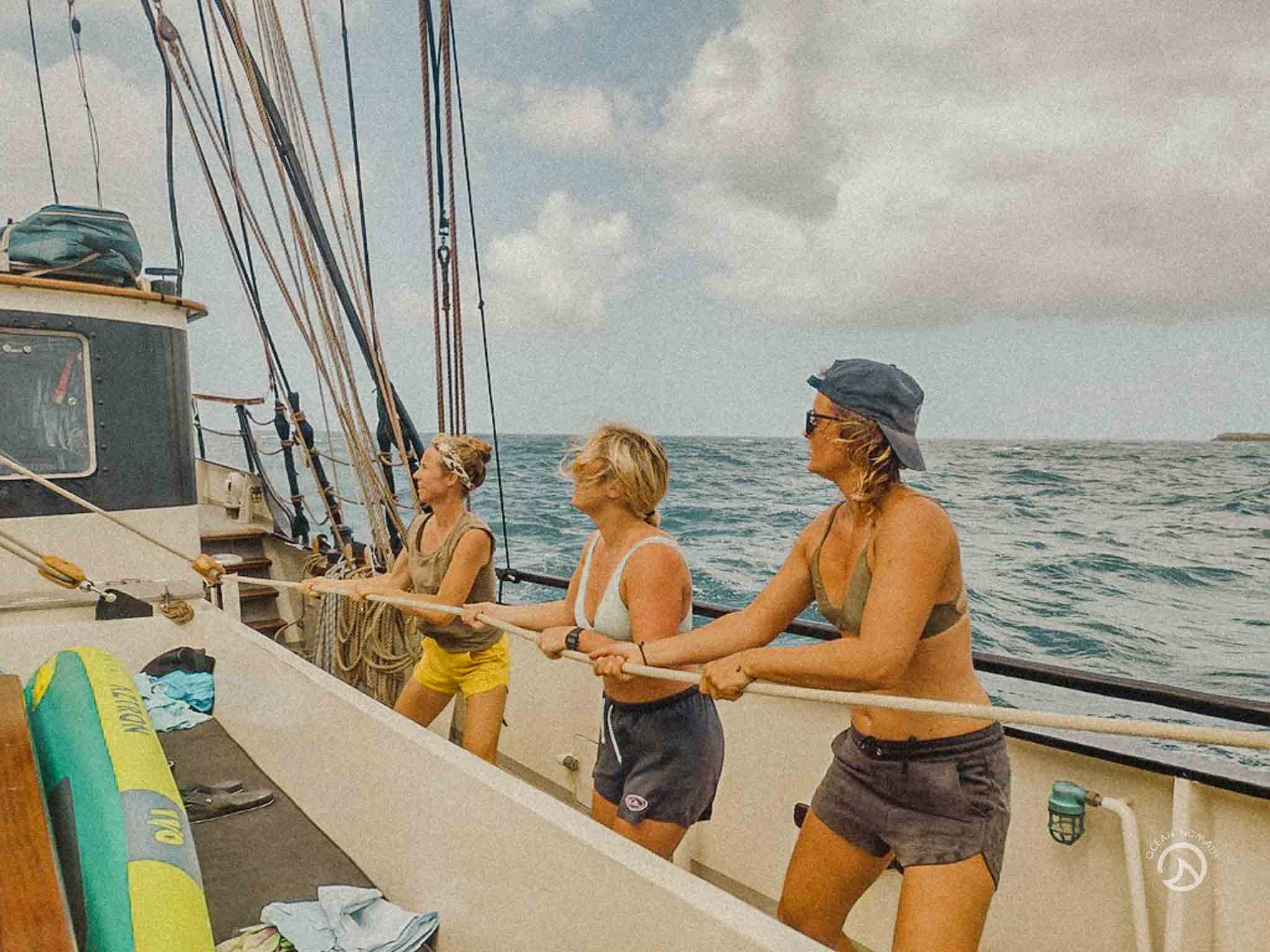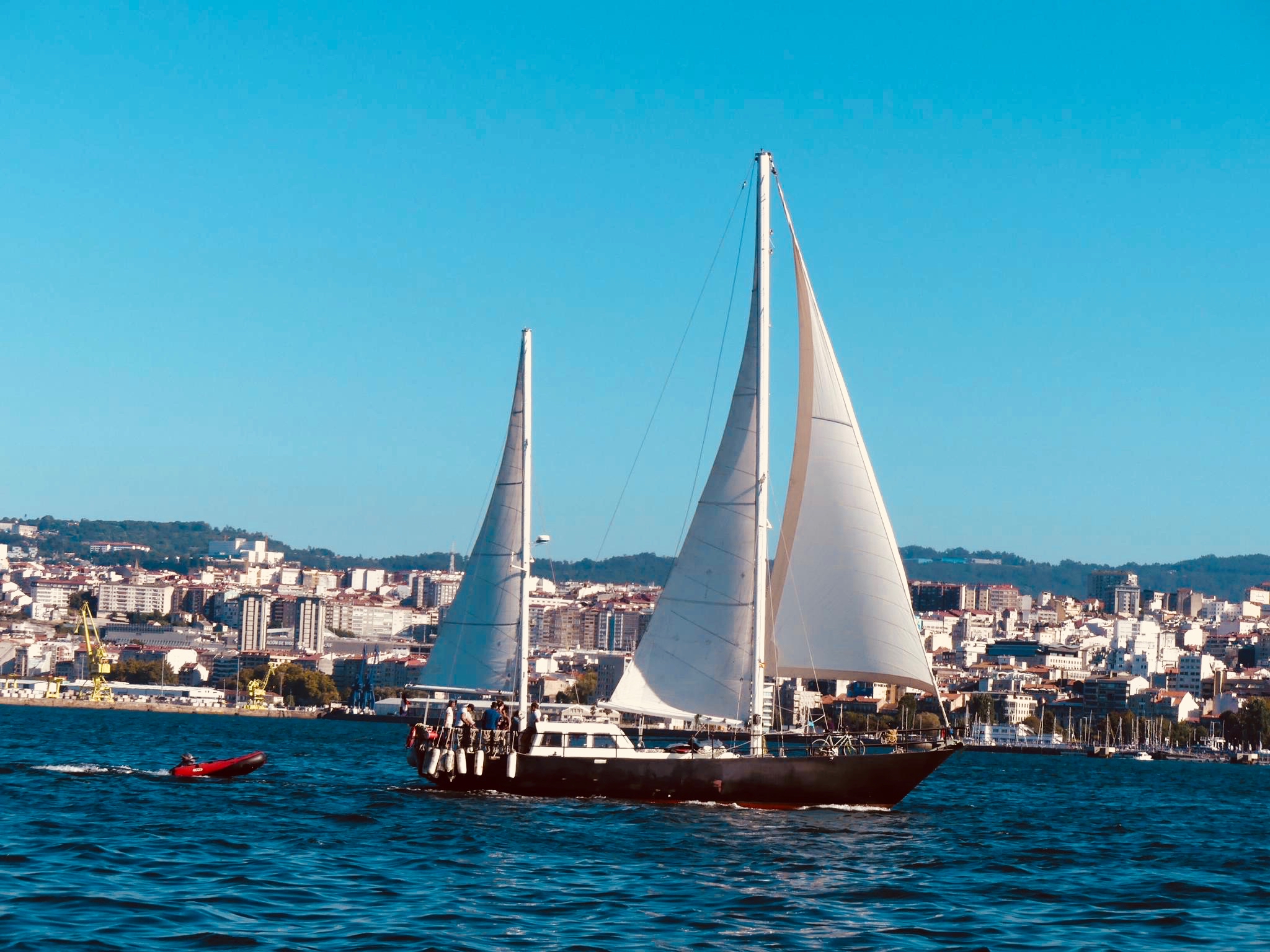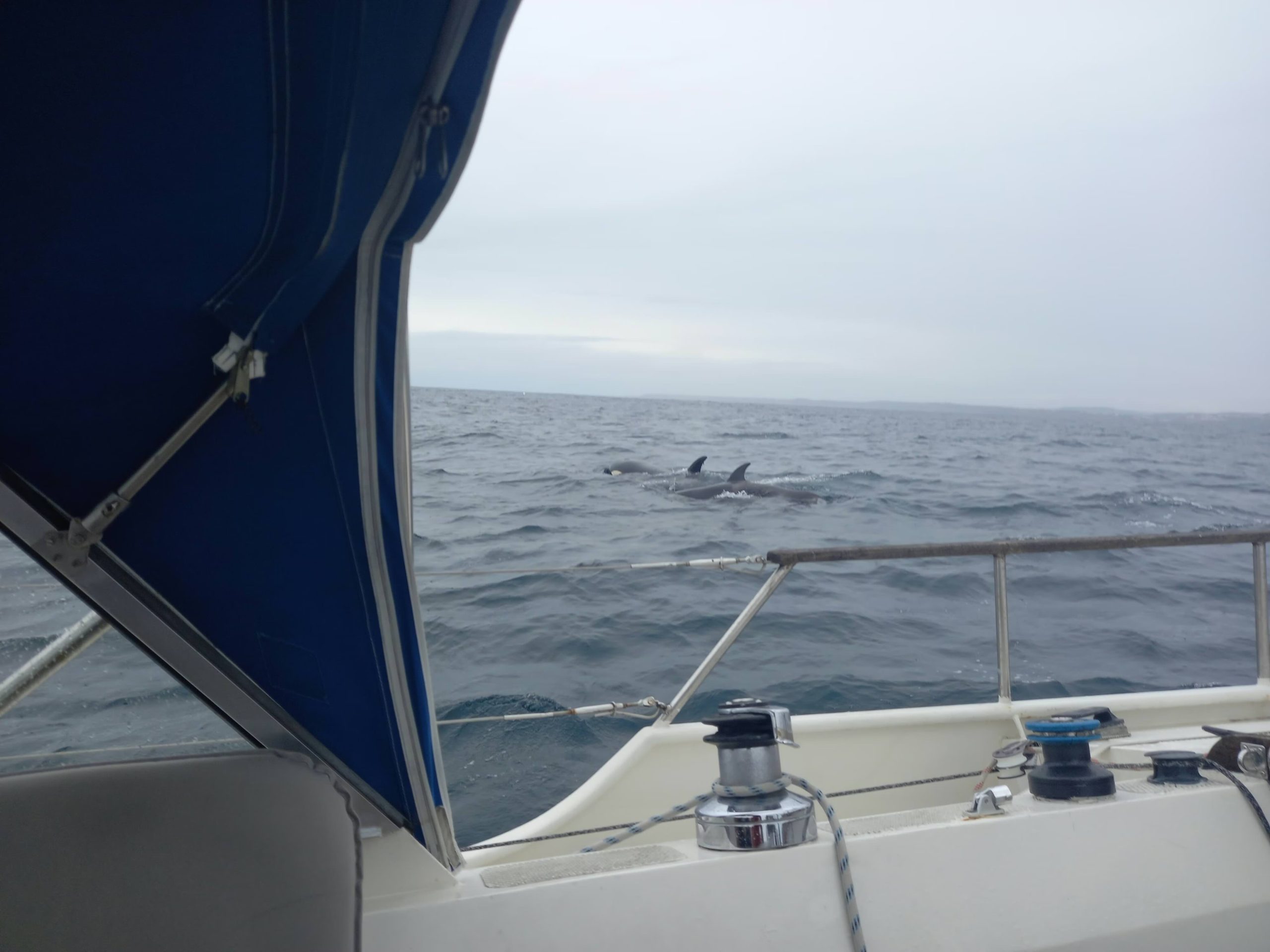
Often you hear it before you see it. A thud goes through the hull and the rudder jerks sideways under the wheel. Then the dorsal fins show up around the stern.
Last updated: May 2026. Orca interaction protocols continue evolving as new data emerges.
Since 2020, hundreds of yachts crossing the Iberian Peninsula have reported interactions with a small group of orcas working these waters. Most end without damage. Some end with broken rudders and rescue calls. Eight have ended with the boat going down.
This guide pulls together the current science, the official safety protocols, and what Ocean Nomads members have learned from sailing the Iberian Peninsula and crossing the Strait of Gibraltar with orcas in the water. If you’re planning a wider passage, orca planning is one piece of the broader prep covered in our 10 tips for sailing across the Atlantic as crew.
“The fear and helplessness was intense and unfortunately I didn’t appreciate the encounter for what it was, a glimpse in their world and a look at these majestic creatures who belong here much more than I do.”
Peter, Ocean Nomads member, after his Strait of Gibraltar encounter
“A group of 4 or 5 big Orcas kept pushing and hitting my rudder. They stayed for about 40 minutes continuously hitting me. The sound of the banging and the fear of how bad the damage would be if and when they left took all the fun out of the encounter. They were not cute and dolphin sized, they were big and intimidating, and where I love to hear dolphins come up to breathe, the sound of the Orcas was terrifying.”
Michel, Ocean Nomads member, after a 40-minute multi-orca interaction
The numbers since 2020
Eight sailboats have sunk. Around 700 interactions documented since the behaviour started in 2020. The cause: a single sub-population of about 50 Iberian orcas, only 15 of whom interact with boats at all.
There are no documented cases of wild orcas killing humans. The damage these Iberian orcas cause is to boats, specifically to rudders, not to crew. Most encounters end without damage: about 40 percent of interactions cause no harm to the boat. Around 15 percent end with serious damage that leaves a vessel unable to manoeuvre. The peak season runs April to August, concentrated in the Gulf of Cádiz and the Strait of Gibraltar. The yacht Tiafe became the eighth sinking, off Peniche in October 2025.
The interacting orcas are part of the broader Iberian sub-population, listed as Critically Endangered by the International Union for Conservation of Nature. All 15 individuals have been identified by Grupo Trabajo Orca Atlantica (GTOA), the scientific body studying the population, with dorsal fin photos available on orcaiberica.org.
Why do orcas hit sailing boats?
There are lots of theories, hypotheses and speculations out there. The strongest analysis from GTOA is that the behaviour is horizontal playful interaction by juveniles. Orcas know what rudders are. They are not confusing them with prey. They are intelligent, social and very fast, and they appear to be playing with a steering mechanism that responds to their pressure. Some researchers also note that the behaviour spreads socially within the pod, with younger orcas mimicking what they see others do.
What is encouraging: the Atlantic bluefin tuna population, the Iberian orcas’ main food source, was listed as endangered in 2019 and is now recovering. There is hope that as the food situation improves and the juveniles age, the behaviour may shift over time. For now, our job as sailors is to plan around it.
How not to react to orca presence as a sailor
Guns, home-made explosives, deterrent pingers, sand-throwing and noise-makers have all been used by sailors to try to scare orcas away. None of this is okay.
Scientists at GTOA confirm that pingers and explosive devices can cause hearing damage in orcas, leaving them unable to hunt, communicate or navigate. Pingers also create a constant background noise that affects all cetaceans in the area, can increase ship collisions with whales, and are illegal without a license. Firing guns or detonating explosives at a Critically Endangered species is illegal in Spanish and Portuguese waters and carries serious penalties.
It is also unlikely to work. Pingers reported to the Cruising Association have largely failed to deter interactions. Noise-making has produced mixed results and in some cases appears to extend the orcas’ interest rather than reduce it. Imagine someone showing up in your home and throwing a home-made explosive. We are visitors in their waters.
What to do if orcas approach your sailboat
Official advice is currently split between two protocols, and outcomes from both are mixed.
The Portuguese authorities and GTOA recommend stopping the boat. Drop the sails, turn off the engine and autopilot, let the rudder run free, and keep a low profile below decks. The thinking is that without movement or response the orcas lose interest and move on. The Spanish authorities now advise the opposite. Motor away as fast as you can towards shallow water (less than 20 metres deep), since orcas typically do not pursue more than 2km from their hunting area, and any impact on the rudder lands at a less destructive angle when the boat is moving forward.
Cruising Association data shows that interactions where crews stopped the boat tended to last longer, but resulted in marginally less major damage on average. Reports of both protocols include successes and catastrophic failures. No one has found a guaranteed solution yet. Individual encounters depend on which orcas are involved and how the crew responds in the moment.
What everyone agrees on is the value of planning and avoidance. Use the GTOA monthly interaction maps to plan your route around known activity zones. Stay in waters under 20 metres deep where conditions allow. Brief your crew on your action plan before you leave the marina. Use the GT Orcas app while underway for live activity. And file a report with the Cruising Association whether you have an interaction or not. Their database is what informs the protocols in the first place.
In the network, members who have crossed orca waters share what worked, what didn’t, and which routes they took. The full conversation goes deeper than any single blog post can.
Crossing the Strait of Gibraltar, our Ocean Nomads approach
In October 2025 we sailed from Mallorca to Morocco to the Canary Islands on an Ocean Nomads passage. We crossed the Strait of Gibraltar at its narrowest point, dropped into the Spanish enclave of Ceuta on the African coast, and then continued south and west along the Moroccan side before pushing on to the Canaries. No orca incident. A clean crossing.
This is now the route most experienced Iberian sailors recommend during peak season. The narrowest point of the Strait keeps you in the heavy shipping lane for the shortest possible time. The deeper water there makes orca encounters less likely, since the interacting orcas typically work the shallower fishing grounds further west and north. Ceuta gives you a well-equipped marina to wait for a weather window. And once you are on the African side, the current carries you west while you stay close to shallow water away from the main interaction zone.
A few things we did on that crossing. We crossed in daylight so we could see what was around us. We notified Tarifa Radio of our route and asked for any current orca sightings (they can advise on real-time activity). We planned the tides carefully, leaving on slack water and catching the westbound current. We stayed close to the Moroccan coast in shallow water once across. And we briefed the whole crew on what to do if an interaction did start, before we ever left the marina.
It’s not a magic route. Interactions on the African coast are not unheard of and conditions in the Strait can be challenging in their own right. But the data, and a growing number of sailor reports, suggest the Tarifa to Ceuta to Moroccan coast line carries lower orca risk than the European side during peak season.
If you are planning to sail this route yourself, our members have put together a Morocco Ocean Nomads guide inside the network with practical advice from sailors who have done the passage. Access it in the network.
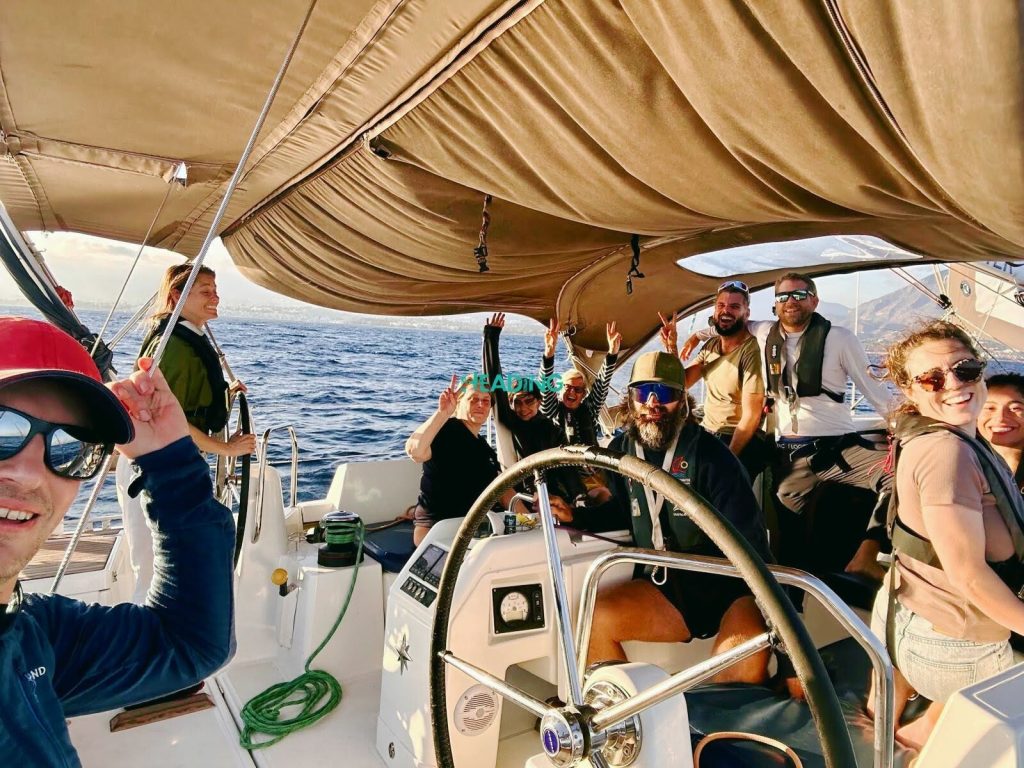
What we would do if we were planning this passage tomorrow
The official protocols are split and the data is messy. So here is the synthesis we have actually used, the choices we would make again if we were planning to cross the Strait tomorrow. Not a guarantee. Just what we would do, based on what we know now.
Route. Cross from Tarifa to Ceuta at the narrowest point of the Strait, then continue south and west along the Moroccan coast. Stay close to shore in shallower water on the African side. The deeper, faster crossing in the middle of the Strait keeps you out of the main interaction zone for the shortest time, and the Moroccan side has fewer recorded incidents than the Spanish and Portuguese sides during peak season.
Timing. Cross in daylight. Time your departure to leave on slack water and catch the westbound current. Avoid days with strong Levante or Poniente in the forecast. If you can wait out the peak interaction months (April to August) and cross in shoulder season instead, your odds improve significantly. We crossed in October.
Before you leave the dock. Brief the whole crew on the action plan. What you will do, what they will do, who calls Tarifa Radio, who watches for fins, who stays calm and where. The time to figure this out is not when the rudder starts jerking. Have the GT Orcas app open. Have Tarifa Radio’s channel ready (channel 10). If your crew is newer to offshore preparation, our travel by sail course covers crew briefings and the safety mindset for passages like this.
If an interaction starts. The data is messy enough that we are not going to tell you which protocol to follow. The GTOA approach (stop the boat, drop sails, low profile, wait it out) has slightly less major damage in the averages but tends to make interactions last longer. The Spanish authority approach (motor away fast toward shallow water) is newer and works for some boats but failed catastrophically for others. Some skippers have tried one, had it fail, and would do the opposite next time. Your decision needs to be made before the moment, not during it. Pick your protocol based on your boat, your crew, the depth of water around you, and the conditions. Then brief everyone on the plan before you leave the marina. The worst outcome is a crew that disagrees mid-encounter.
What we absolutely would not do. No guns, no explosives, no pingers, no sand-throwing, no aggressive engine revving, no banging on the hull. Beyond the legal and ethical problems, the evidence is that none of it reliably works, and some of it makes things worse.
After you arrive. File your report with the Cruising Association whether you had an interaction or not. The uneventful passage data is exactly what the scientists need to figure out what routes actually carry less risk.
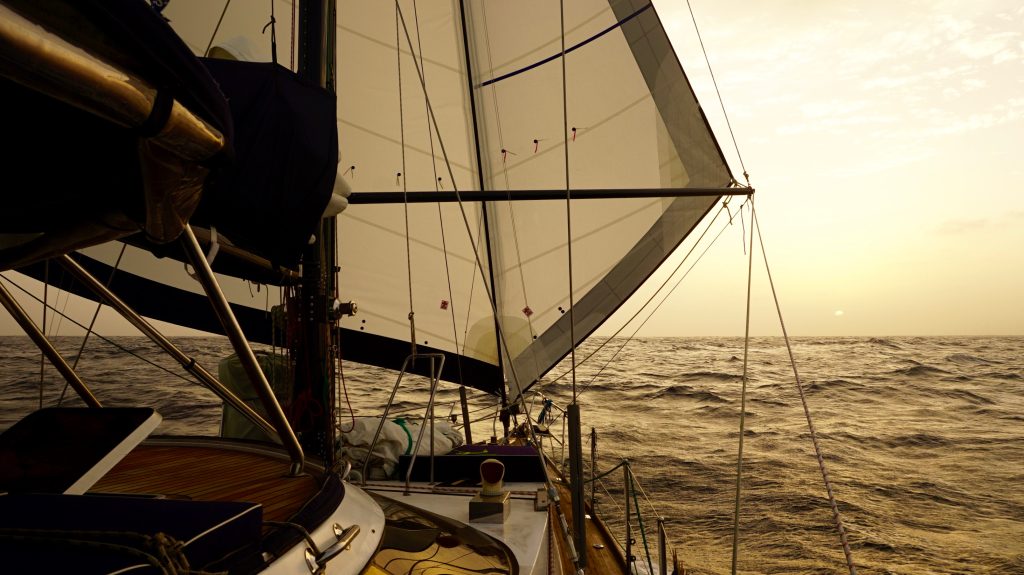
Resources for planning your passage
For passage planning and ongoing intelligence, these are the resources sailors should know. GTOA / Orca Ibérica at orcaiberica.org is the primary scientific body. Monthly interaction maps, dorsal fin identification of the 15 interacting orcas, regulations, safety protocols and the latest research. The Cruising Association orca portal at theca.org.uk/orcas is the only public database where interaction reports are collated and categorised by deterrent measure used. The GT Orcas app (Apple Store and Google Play) shows live activity and recent sightings. Orcinus does the same with a different interface. Both are worth having on board.
One thing the CA is asking sailors to do more of: report your passage. In 2025 there were 133 recorded interactions but only 19 reports submitted. If you sail these waters, file a report whether you had an interaction or not. Uneventful passage data is just as valuable to the scientists as incident data.
Why this matters beyond your rudder
The damage and fear get the headlines. The bigger picture is that this is a Critically Endangered sub-population of around 50 animals, and only 15 of them ever interact with boats. We are sailing through their hunting grounds at peak season because that is when our weather is best. The fact that they sometimes break our rudders is a real safety problem we have to solve. But we solve it by routing around them, not by hurting them.
The ocean was here before our boats. The Iberian orcas have worked these waters for generations longer than any of our routes have existed. Our work at Ocean Nomads is built on a simple idea. We are visitors at sea, and we travel with respect.
That means accepting that orca waters require more planning. It means filing your reports. It means choosing the slower or longer route when the data says it carries less risk. And it means not joining the videos of people firing weapons into the water.
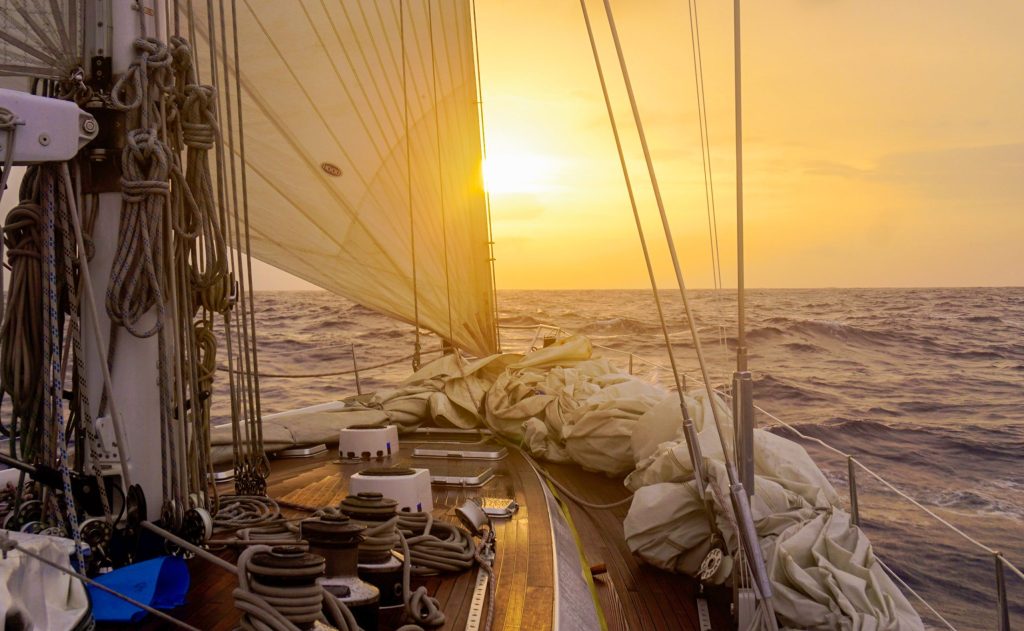
Frequently asked questions
Do orcas attack humans?
There are no documented cases of wild orcas killing humans. The Iberian orcas damaging boats are focused on the rudder, not the crew. Even during a 40-minute interaction, the orcas stay on the steering mechanism and do not approach people on board.
How many sailboats have orcas sunk?
Eight, since the behaviour started in 2020. Around 700 interactions have been documented in the same period, and about 40 percent cause no damage to the boat at all. The yacht Tiafe became the eighth sinking, off Peniche in October 2025.
What is the safest route through orca waters right now?
Cross the Strait of Gibraltar at its narrowest point, drop into Ceuta on the Moroccan side, then continue south and west along the African coast in water under 20 metres deep. This is the route we sailed in October 2025 without incident, and it is what most experienced Iberian sailors recommend during peak season.
Should I stop the boat or motor away if orcas approach?
Both protocols have worked and both have failed. Portuguese authorities and GTOA recommend stopping the boat, dropping sails, and waiting it out. Spanish authorities now recommend motoring away fast toward shallow water. Pick your protocol before you leave the dock, and brief the whole crew. The worst outcome is a crew that disagrees mid-encounter.
When are orca interactions most likely?
April to August, concentrated in the Gulf of Cádiz and the Strait of Gibraltar. If you can wait out the peak months and cross in shoulder season, your odds of an uneventful passage improve significantly.
Planning your own passage?
Whether you want the Morocco crossing guide or member route feedback from the Iberian fleet, the Ocean Nomads community is where to ask. Members who sailed these waters share their routes and what they would do again.
More tips and tales to live a little wilder