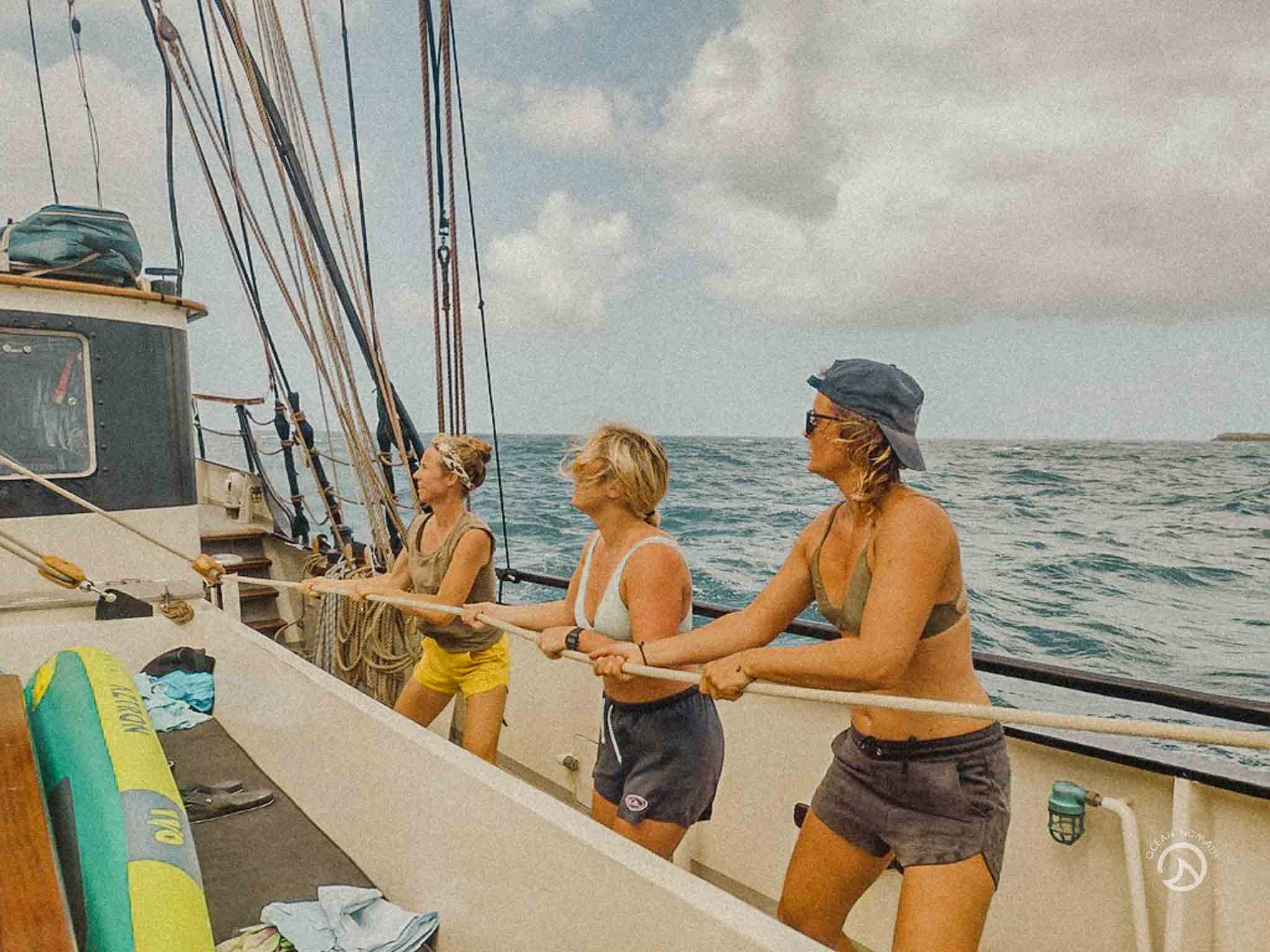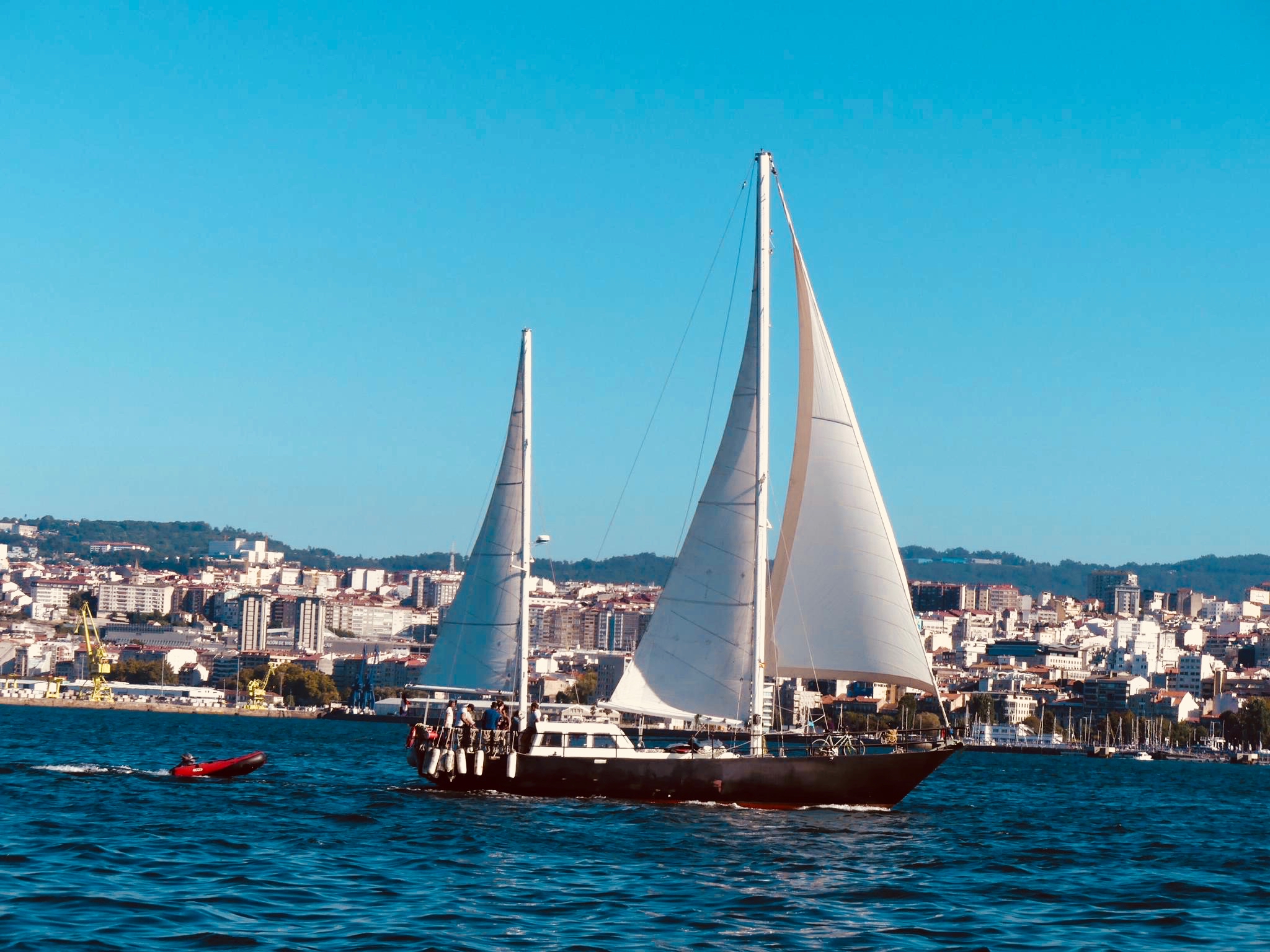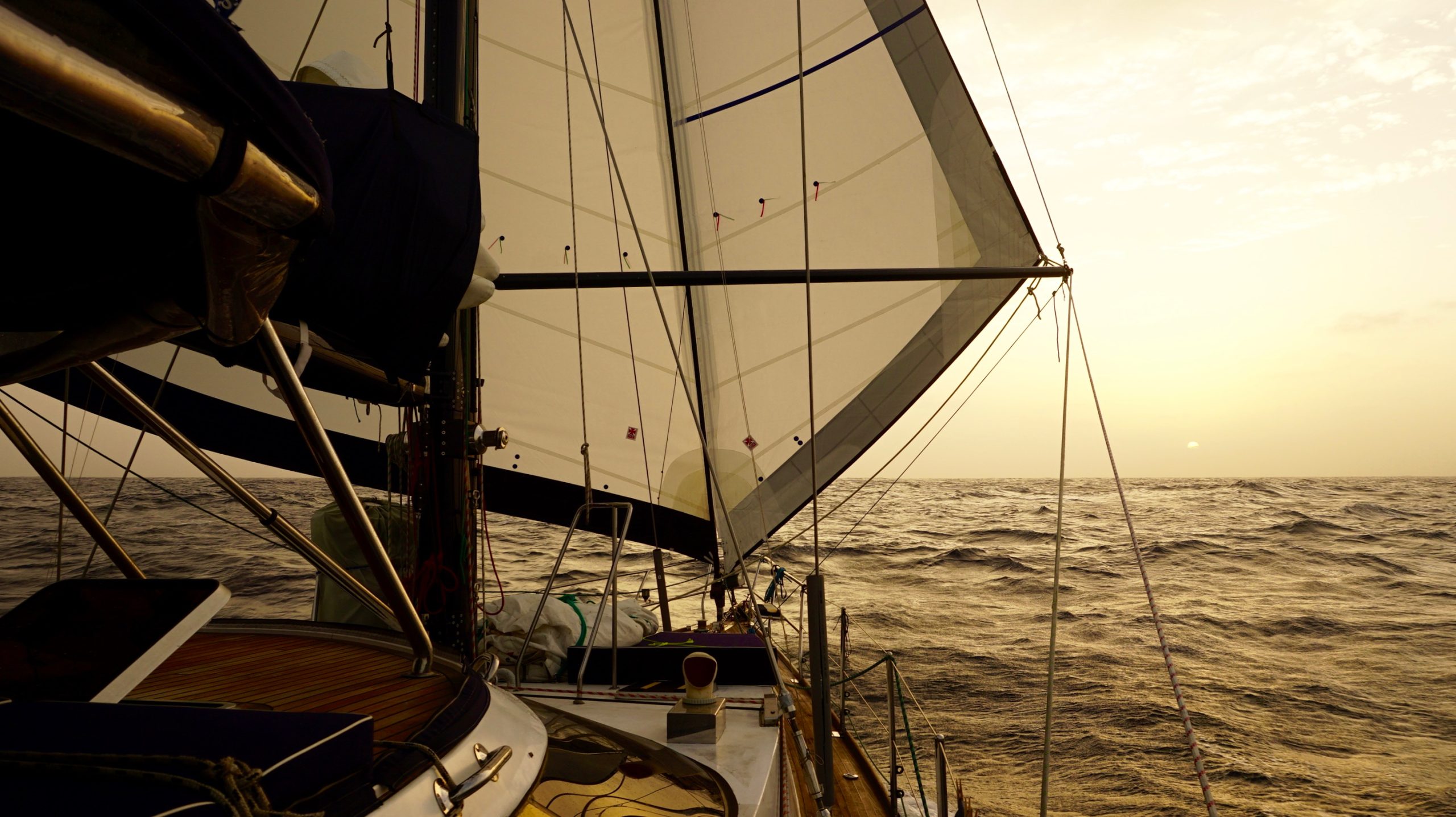
I had no idea about sailing or boatlife when I started. Thought it was for rich people, or for people who’d grown up with it. Turned out it isn’t. I crossed the Atlantic the first time as crew with zero experience. Five times in total now, on different boats, with different captains.
Over the past decade I’ve also been collecting stories from other crew and captains who sailed across. How did they do it? How did they find a boat or crew? How was it? How much did it cost? What has been the impact?
A survey I originally ran for my book Ocean Nomad, I kept running for many more years. It now has answers from 131 Atlantic Ocean sailors, both captains and crew. Crew who paid nothing, people who got paid, people who’d never set foot on a boat before, people who’d been at it for years. 75% said they’d do it again. Half of the crew had no real prior sailing experience. Half didn’t know the captain when they stepped on board.
I just published the full report in the Ocean Nomads community. Here are some snippets.
The first few days
Almost everyone gets seasick the first 2-3 days. Even experienced sailors. Me too, usually day one. Your body needs a few days to relearn what gravity is supposed to do. You lie in your bunk feeling sorry for yourself, you crawl on deck for fresh air, you wonder why on earth you signed up for this. Then on day 3 or 4 you wake up hungry again, and the sealegs are ON.
From there it goes: watches, sleep, eat, more watches, repeat. The phone signal disappears off Africa or the Cape Verdes depending on the route, and time stops mattering in the way it does on land. Most people say the first week is the hardest. Body adjusting, mind catching up, the moment when it really lands that you can’t get off the boat for a while.
The middle of the ocean
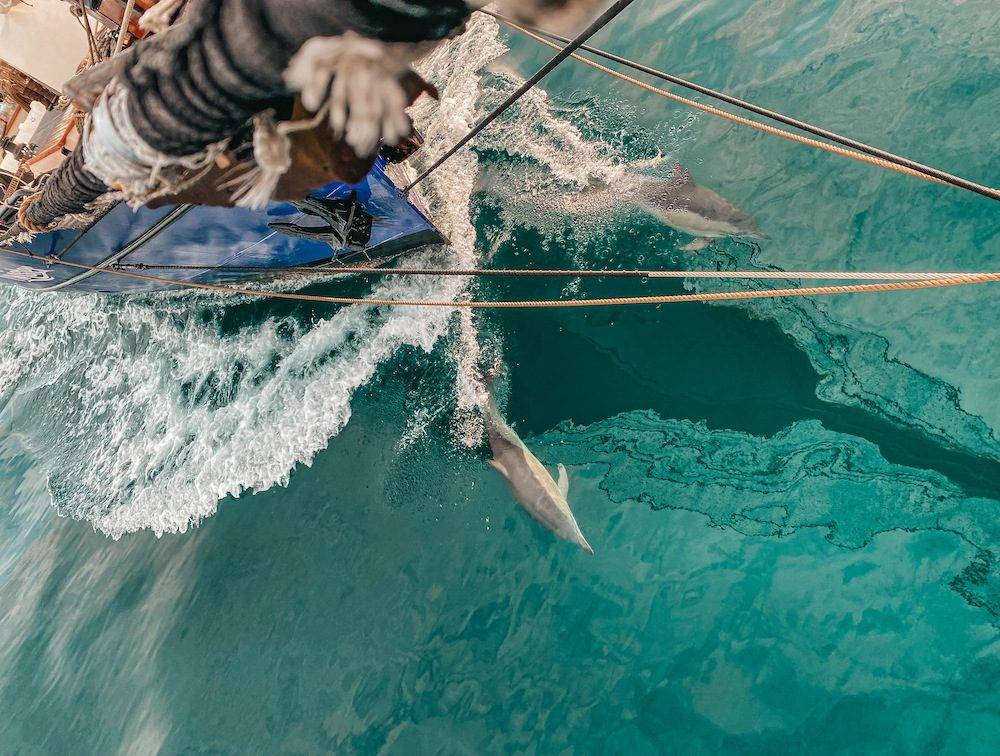
The wake glows at night. The night sky is like you cannot sea anywhere else. Dolphins ride the bow at a sunrise without airplane stripes painting the picture. Flying fish land on deck (and sometimes in your lap;)). You may see whales. And nothing for days but blue ocean in every direction.
“Two whales were with us for four days. We jumped in and swam with them, hanging on a rope at the back of the boat.”
Crew, Dutch, 25-29
Conversations at sea get deeper than land conversations. Strangers turn into people who know things about you that your friends back home don’t. You also may get tired of the same five people, tired of food that doesn’t taste so good anymore because the freshness runs out, you start missing showers and a bed that doesn’t move and being able to walk in a straight line for more than a few meters. Somewhere around day ten you stop missing it and the simple rhytmn of ocean life has set in.
The questions everyone asks before they go
After ten years of cultivating the Ocean Nomads network, the same questions come up before every crossing.
How long does it take? Usually 18 to 25 days east-to-west on the trade winds route, longer west-to-east on the northern route, depending on the boat, the weather, and a bit of luck.
How much does it cost? As crew, anywhere from €0 to €50 a day. Sometimes you even get paid. Compare that to chartering at €200 to €700 a day, or buying a boat at €10,000 and up. Different door to the same ocean.
When to go? November to January for the trade winds route going west. Until April winds are generally good but most boats choose to leave November – December for a longer season in the Caribbean. May to August is the window for the northern route.
Is it dangerous? The ocean isn’t really the main risk. The boat and the captain are. Most bad stories I’ve heard start with an unprepared or untested vessel, an inexperienced captain, and lack of weather checking and reading. before the lines are even cast off, not with weather mid-ocean.
Do you need experience? 51% of the crew we surveyed had no real sailing experience before their first crossing. They got ready by going. (For the practical side of how to do that safely, the 10 tips for sailing across the Atlantic as crew goes deeper.) You got to be aware what it’s all about.
You’ll find the long answers in the resource library in the Ocean Nomads community hub.
What surprised people most
What people didn’t expect: how quickly strangers turn into family, how small a 40-foot boat starts to feel after three weeks, and how strange land feels when you finally walk on it again.
“The spectacular group feeling and helpfulness within the community of Atlantic crossers was way more professional than I had thought. I would have been way less anxious about getting in contact with people beforehand.”
Crew, anonymous
Most said they’d do it again. Many already have. Some bought boats afterwards, and others kept crewing for years. A few realised sailing wasn’t really their thing and were grateful they found that out as crew, rather than after spending €50,000 on a boat of their own.
Almost everyone said the same thing in different words: I wish I’d done it sooner. To the question ‘what would you have done differently‘? Most answered that they would take more time to find a boat with the right crew, vibe and values. At the end, it’s the people who make the trip.
What no blog post can cover
What is it like? It depends. On the boat, the captain, the other crew, the weather, the version of yourself you happen to be when you step on board.
That’s why we’ve kept collecting the stories. Dozens of atlantic ocean stories live inside the Ocean Nomads member network, alongside the full Atlantic Crew Report and the people answering each other’s questions in real time. From success stories to survival stories! We even help coordinate a rescue once from a sinking member. Luckily he survived and told the story and shared the lessons learned in our member hub. In the member network it’s also where most of the actual crew opportunities flow, between people who already know each other.
If you’re working towards your first crossing, that’s the most useful next step I can point you at.
And if you want the structured preparation toolkit, that’s what Zero to Ocean Nomad is for.
Already crossed?
Add your story to the next edition of the Atlantic Crew Report. The survey takes about 15 minutes, and your answers help the next person standing where you used to stand. Thank you in advance 🙏
www.oceannomads.co/atlantic-survey
Ahoy! Suzy 🧜♀️💙
More tips and tales to live a little wilder