The discussion comes up on every boat setting sail for the ocean. How are we going to deal with waste? Is it better to throw glass and tin overboard or dump it on a little island that burns its trash? What is actually recyclable on the other side?
Between our crews we’ve sailed well over 40,000 miles on about 100 different sailing vessels, with many Atlantic crossings among them. We’ve provisioned in Spanish supermarkets, hunted recycling bins in Caribbean ports, and lived for weeks with everything we couldn’t throw away. This is not theoretical sustainability advice. This is how waste actually works at sea, and how we run it on board.
The rule we sail by
If it didn’t come from the ocean, it stays on the boat. The one exception is food waste, offshore, where the rules allow it.
Worth knowing: what’s legal and what we do are two different layers. Legally, garbage from ships is governed by MARPOL Annex V, which varies by material, distance from land, and region. Plastic is prohibited everywhere, always. Our boat policy is simpler than the law, because simple rules survive night watches.
Waste starts at the supermarket
The best waste system on a boat is the waste you never bring aboard. The Caribbean islands do not have big enough landfills, waste often ends up dumped or burned, so what you carry on board in Las Palmas is what you hand to a small island six weeks later. As a crew member, before you even hop on board: minimize, minimize, minimize.
- Go to the market for your provisioning instead of the supermarket. It’s the cheapest way, you support a local entrepreneur, and you skip a mountain of wrappers. If the marketmen deliver, ask if they can take the cardboard back: boxes are a source of unwanted bacteria and cockroaches on board.
- Bring your own bags. In Spain, Cape Verde, and the Caribbean a plastic bag is still practically mandatory at the supermarket.
- Buy in bulk and store smaller amounts in reusable containers. Skip the heavily wrapped stuff: candy, biscuits, and tea brands that wrap every single teabag.
- Swap paper towels for good old reusable cloths.
- Use biodegradable soap and washing liquid. On a boat, everything drains straight to the ocean. Baking soda and vinegar remain a fine cleaner, for the boat interior as well as your hair.
- Sort your water before you sort your bottles: a water filter on board, or the 20 litre bottles with a pump. Water bottles are one of the most collected items in beach cleanups worldwide.
- And please don’t buy balloons for the ocean birthday or halfway party. The wind and sun will have them snap, and it all ends up in the plastic soup.
What can you actually throw overboard at sea?
| Waste | Overboard? | What we do on board |
|---|---|---|
| Food scraps | Only offshore, where permitted | Overboard 12+ miles out, well before arrival |
| Glass | No | Store and recycle on land |
| Cans and tins | No | Crush and store |
| Plastic | Never, anywhere | Cut small, store |
| Cardboard and paper | No | Store or leave ashore before departure |
| Cigarette butts | No | Bottle taped to the boat as ashtray |
| Teabags | No | Store (many contain plastic) |
| Cooking oil | No | Back into a bottle, dispose ashore |
Can you throw food waste in the ocean?
Only offshore, and only under way. Under MARPOL Annex V the general line is 12 nautical miles from land (3 miles if it’s ground small), and in special areas like the Mediterranean and the Wider Caribbean food waste must be ground small first. Our practice: 12 miles or more, well before arrival, because food scraps can bring unwanted bacteria and insects to an island. Fruit peels break down far slower at sea than they do on land, so peels are better composted ashore. Crew lore says coconut shells are the one guilt-free throw, and we’ll allow it.
Can you throw glass bottles in the ocean?
No. Glass sinks, but sinking is not the same as disappearing. Yes, it’s made of sand, but nothing like our bottles would ever appear in nature: we add materials for function and colour. Bottles have been found in the deepest ocean trenches with their labels still readable. Meanwhile in Europe more than 80% of glass gets collected for recycling. Your empty bottle is worth more on land, every time.
Can you throw cans overboard at sea?
No. Cans often carry a plastic coating, and aluminium is one of the most rewarding materials to recycle: turning an old can into a new one takes a fraction of the resources of extracting new metal. Many pilots and sailing forums still say tins can go overboard in deep sea. Those articles are written from a practical perspective, not an environmental one.
Can you throw plastic in the ocean?
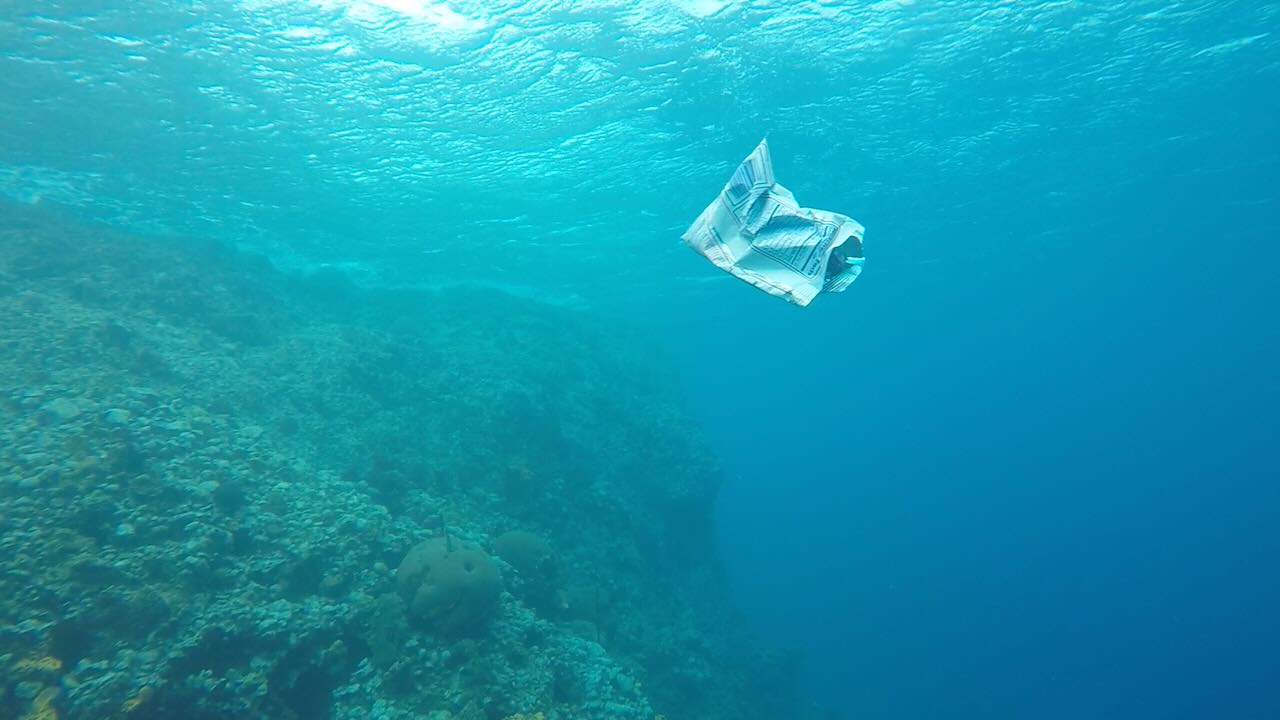
No. No. NO. Not anywhere, not at any distance, and this one is also the law everywhere on earth. It never disappears: researchers combing through 30 years of deep-sea dive footage found a plastic bag almost 11 kilometres down in the Mariana Trench. And plastic hides in more than you’d think: chewing gum is plastic, and so are many teabags. One plastic teabag can release billions of microplastic particles into a single cup.
Can you throw cigarette butts in the ocean?
No. Filters are plastic and loaded with chemicals. Tape a bottle to the boat as an ashtray and empty it ashore.
Can you throw paper and cardboard overboard?
Treat the answer as no. Truly untreated paper is the rare exception, and almost everything on a boat is printed, coated, glued, or bleached. Even the label of a teabag is full of ink. When in doubt: it stays on board.
How do sailboats deal with trash? Our system on an Atlantic crossing
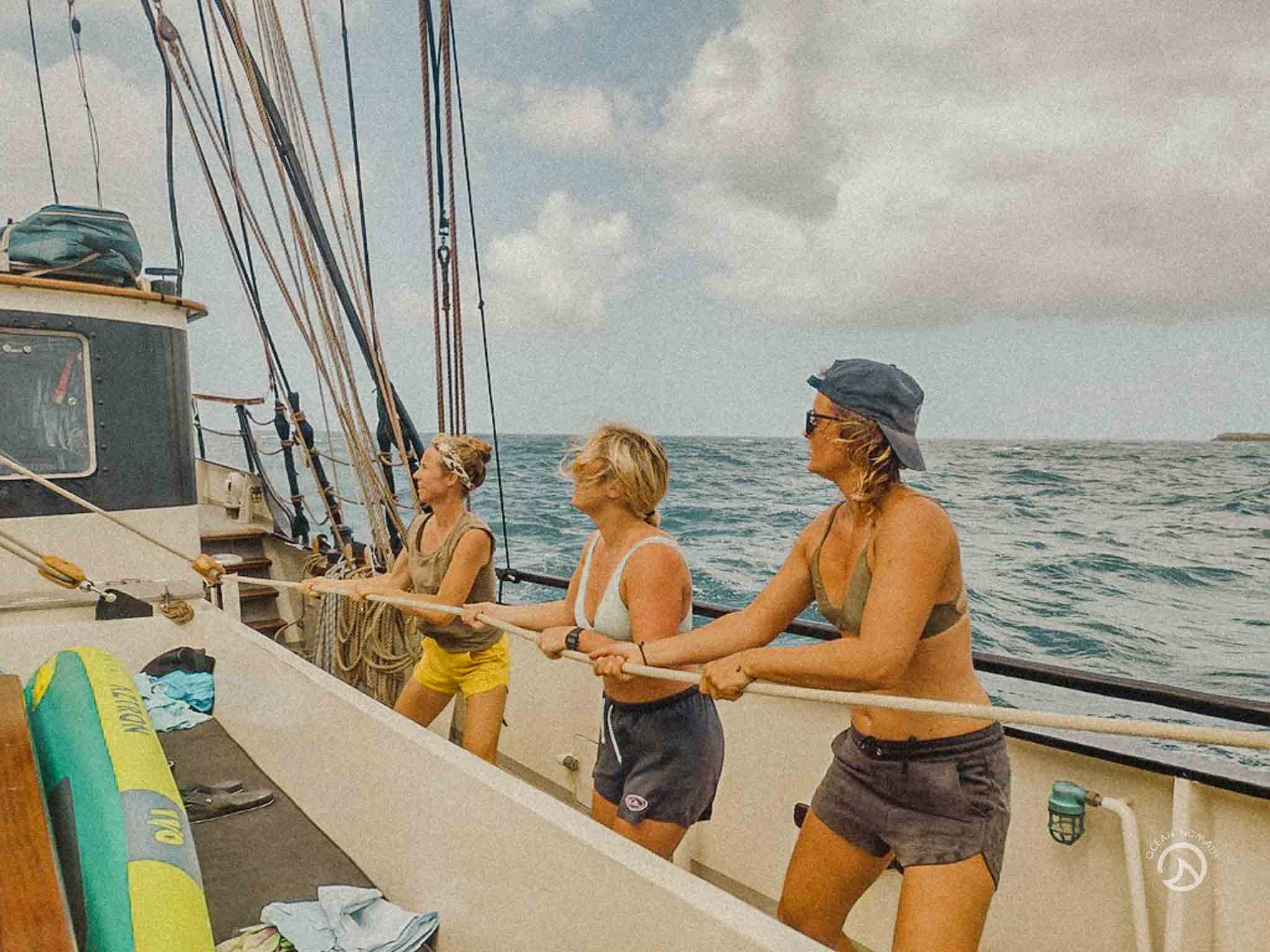
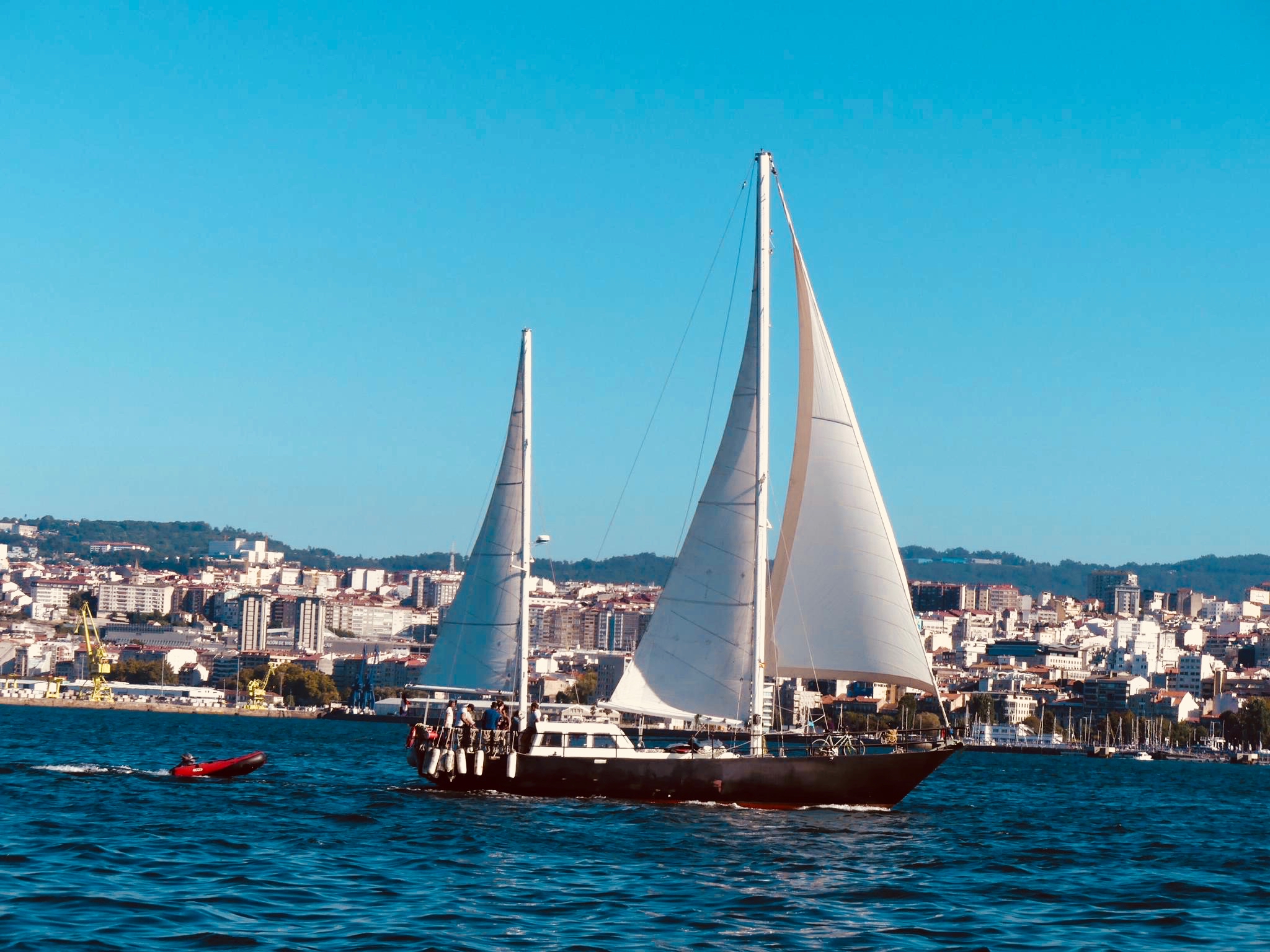
On our SV Twister voyages, waste management is a crew job like watchkeeping or cooking. Meet Mike, in charge of it on our Atlantic crossing:
- Three containers in the galley: one for organics (overboard offshore, wind aware!), one for recyclables, one for the rest. If you do well, the waste bucket is the last one that gets full.
- Rinse packaging with saltwater before storing it, especially from meat, cheese, and dairy, to avoid smells and invasive hitchhikers.
- Separate plastic, tins, cardboard, and glass into different bags right away, and crush the cans and bottles.
- Reuse tins and glass jars where you can. Heading for remote islands? Don’t crush them all, you can make someone happy.
- Cut non-recyclable plastic film and wrappers into small pieces to save space. If you had room to bring it on board, you have room to store it.
- Dump all organics 12 miles or more before arriving at an island.
“You become much more aware of how much waste you use. During regular life we really don’t take the time.” That’s Mike after weeks at sea, and it’s what almost every crew member says.
In our film Sailing the Atlantic you can see the whole waste procedure on board, from minute 25:
Is there recycling in the Caribbean?
Don’t assume “recycling” means the same thing at every island. Facilities vary a lot, and on the smallest islands waste is dumped or burned. Plan for it: make your first landfall at an island with real facilities, deliver cans and bottles crushed, and carry the rest onward rather than leaving it where it can’t be processed. You can’t control what happens to waste once you hand it over to an island. You can control what you bring aboard.
What about cruise ships and big ships?
The same MARPOL rules apply to every vessel on the water, and larger ships must keep garbage record books. Enforcement is real: Princess Cruise Lines paid a 40 million dollar penalty, the largest ever for deliberate vessel pollution, and Carnival paid another 20 million in 2019 for polluting while on probation.
We can’t steer the shipping industry from the deck of a schooner. What we can do is set the culture, boat by boat. Every crew member who sorts trash for three weeks at sea goes home seeing waste differently, every tip shared in a harbour spreads to the next boat, and when we spot floating trash and it’s safe to retrieve, we bring it aboard and dispose of it properly. Many drops create a wave. It’s the ripple effects we’re after, and you can log yours in the Ripple Log.
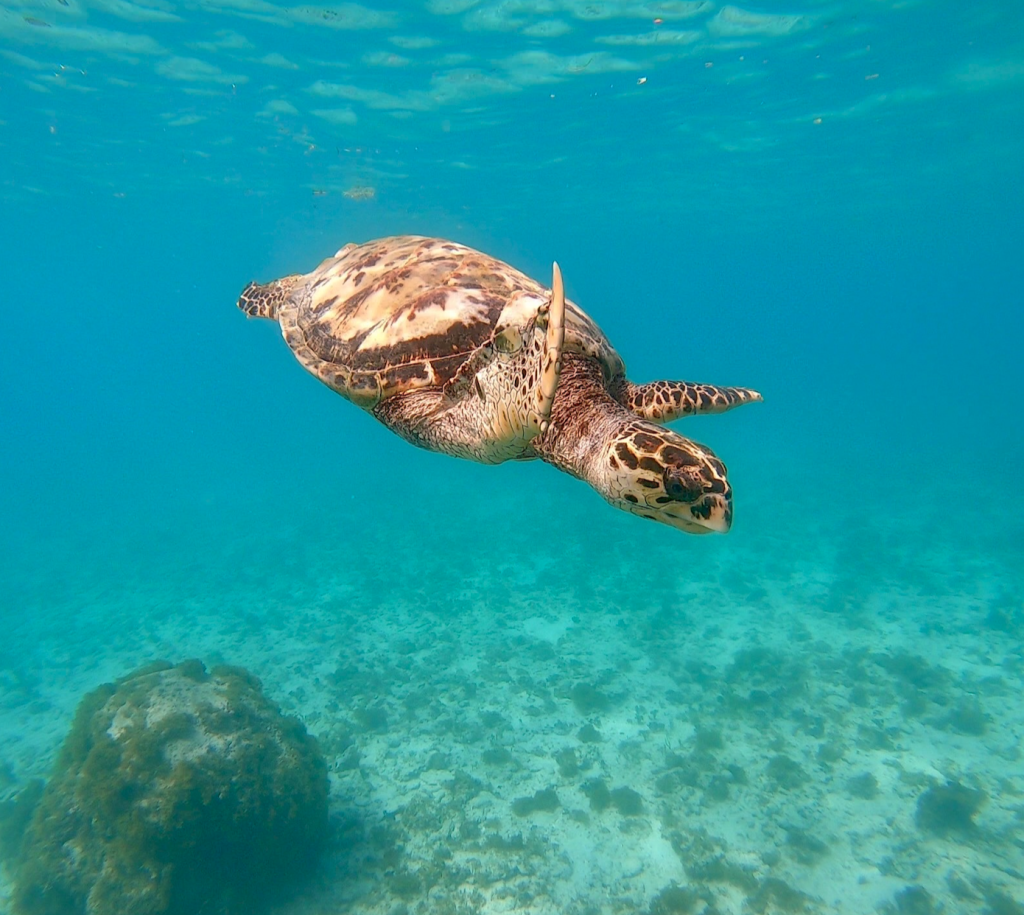
The ocean is not a dumping ground
Your waste might sink into the deep, but it won’t be gone. Glass and tins are worth far more on land than at the bottom of the sea.
If you wouldn’t eat it or put it on your skin, why should the living organisms in the sea have to deal with it?
Quick questions
What happens to rubbish on an Atlantic crossing?
It sails with you. Three to four weeks of a full crew’s waste, sorted, rinsed, crushed, and stored, until a port with facilities. That’s why provisioning light matters more than any bin system.
Can gray water go overboard?
Yes, water from sinks and showers drains to the sea on most sailboats. That’s exactly why we use biodegradable soap and washing liquid on board.
How do you reduce waste when sailing?
Shop at markets, buy in bulk, bring reusable containers and bags, filter your water, and leave excess packaging ashore before departure. What never comes aboard never needs managing.
Take it further
If you want our actual provisioning system, it’s inside the Ocean Nomads Resource Library, alongside the Zero Waste & Chemical Free at Sea guide and our members’ list of organic farms and provisioning contacts around the Atlantic circle. Ocean Nomads is a global network of impact-driven ocean adventurers, and this is exactly the kind of conversation running in our member hub.
And if you want to learn this by actually doing it: come sail with us. Nothing overboard but gray water. 💙